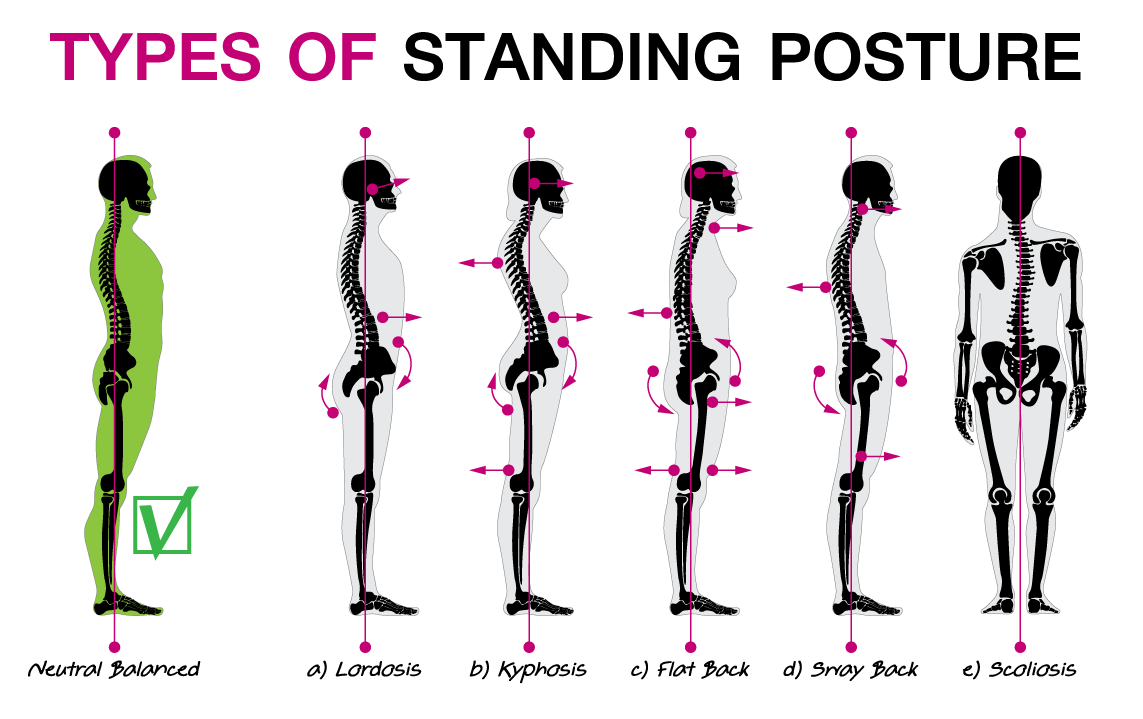
Sitting with good posture is becoming a major topic this year as new products and expert tips focus on our daily sitting habits. People spend hours every day leaning over desks, staring at phones, or sitting on the couch. Recent news shows that everyone from pop star Taylor Swift to home office workers is trying new ways to sit up straight and avoid back pain.
The short answer to fixing your sit posture is simple. Keep your feet flat on the floor, pull your shoulders back gently, and make sure your spine stays in a neutral line. While pop stars test special clothing and testing sites try out new ergonomic chairs, fixing how you sit comes down to basic movements you can do every day. If you ever feel sharp pain, you should always check with a doctor first.
What Recent News Tells Us About Sitting Position
The latest headlines from major news outlets show a huge push toward fixing how we sit at home and at work. Cosmopolitan recently tested a posture-correcting bra worn by Taylor Swift to see if special clothing can really keep your back straight. At the same time, TechRadar released its new guide for the best office chairs of 2026, pointing out that comfortable lower back support is key for anyone sitting all day.
Other news covers how we move while we work. Real Simple published five simple ways to add movement when working from home so you do not stay stuck in one chair all morning. Sleep Foundation tested mattresses for back pain, while Equus Magazine even looked into how being left-handed or right-handed changes a person's riding position. Fitness experts at Yahoo Health also warned people to stop doing push-only workouts, recommending two upper-body moves that build a balanced chest and back to keep posture strong.
All these reports point to one major fact. People are looking for real help with their back and spine health. Whether you choose to try a new chair or add quick movement breaks, taking care of your back matters every single day. If you also spend a lot of time on computers, you might notice that Doctors Warn Screen Habits Are Hurting Your Eyes while you try to fix your back.
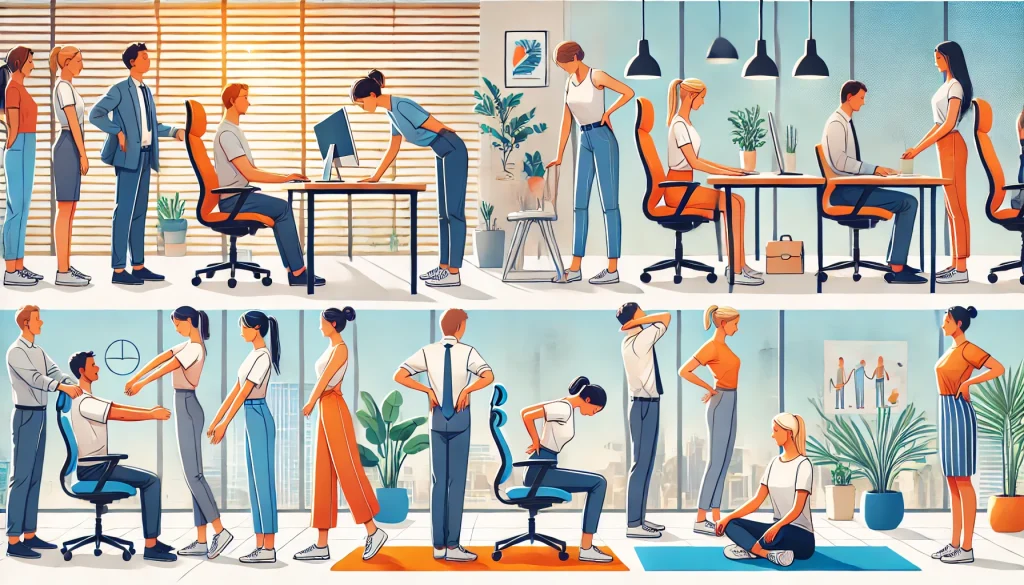
How to Sit With Good Posture at Your Desk
How to sit with good posture is one of the most common questions people ask when they start feeling tight in their upper back. The best place to start is with your feet. Put both feet flat on the floor right in front of you. Crossing your legs might feel cozy, but it tilts your hips and twists your lower back.
Next, check your knees and hips. Your knees should sit at a ninety-degree angle, about level with your hips. If your chair is too high, your legs dangle and pull on your back. If it is too low, your knees push up into your chest. Adjust your seat height until your feet press firmly into the rug or floor.
Think about your upper back and head. Pull your shoulder blades back gently like you are trying to hold a small pencil between them. Do not push your chest out too far, just let your shoulders sink down away from your ears. Keep your chin parallel to the floor instead of leaning your head forward toward your computer monitor.
Here is a quick list of steps for setting up your desk area:
- Set your screen height so the top third of the monitor sits right at eye level.
- Keep your keyboard close enough so your elbows stay bent at your sides.
- Place your mouse right next to your keyboard so you do not reach out far.
- Use a small pillow behind your lower back if your chair feels flat.
Why Your Upper Body Muscles Need Balance
News reports from health experts remind us that pushing moves alone will not keep your spine straight. When you only train your chest muscles, those muscles get tight and pull your shoulders forward into a hunch. You need strong back muscles to pull your frame back into proper line.
Adding simple pulling moves to your week creates a balanced chest and back. Imagine pulling a heavy row or pulling a band toward your stomach. These basic actions build the small muscles around your shoulder blades. When those back muscles stay strong, holding a healthy frame feels light instead of tiring.
You can read more helpful tips on our main health advice blog page to see how daily habits keep your body feeling good. Good muscle balance makes sitting upright feel like second nature instead of a tough chore. Staying active through regular physical activity also keeps your joints warm and loose throughout the day.
Simple Daily Changes for Work from Home Habits
Working from home gives us freedom, but it also means we sit far more than we used to. Moving around during your work hours is just as important as buying a nice seat. If you sit in one spot for three hours straight, your muscles get stiff no matter how great your chair is.
Try setting a small timer on your phone for every forty-five minutes. When the alarm rings, stand up and stretch your arms over your head. Walk to the kitchen to grab a fresh glass of water. Taking just sixty seconds to walk around resets your spine and brings fresh blood to your muscles.
Another great home trick is changing your location once a day. You can spend the morning at your main desk and take a fifteen-minute afternoon phone call while standing near a high kitchen counter. Shifting your weight from one foot to the other gives your sitting muscles a well-deserved rest.
Picking the Right Tools for Your Back
With famous pop icons trying posture clothing and sites testing high-end chairs, you might wonder if you need to spend a lot of money. The truth is that smart gear can help, but it cannot do the work for you. A supportive chair gives your lower back a firm place to lean, which stops slouching before it starts.
If you choose to try a back support tool or a special chair, look for items that fit your height. A big chair might look soft, but if your feet cannot touch the floor, it will cause strain over time. Pick items that help you maintain good form on your own rather than tools that pull on your body too hard.
Getting rest on a supportive bed matters too. Sleeping on a saggy mattress lets your spine twist all night, which makes sitting straight the next morning much harder. Combining good night rest with smart day choices creates long-term comfort for your entire body.
Focusing on Preventive Care and Doctor Advice
Building good daily habits for your back is a key part of preventive healthcare. Taking care of your frame today stops soreness from turning into long-term pain later. Small choices like sitting straight, drinking water, and taking short walks add up over the years.
Listen closely to what your body tells you. It is normal for muscles to feel slightly tired when you start fixing your posture, because lazy muscles are learning to work again. But sharp pains, numbness in your legs, or tingling in your fingers are clear warning signs. If you feel any of those symptoms, do not try to fix them alone.
Always talk to a qualified medical professional or physical therapist for serious back issues. A doctor can check your spine, look at your history, and give you safe moves tailored to your specific needs. Using expert guidance alongside your simple home habits is the safest path to staying active and pain-free.
What is one tiny change you can make to your chair today to help your back feel better?
Comments
Post a Comment